Life Saving Medical Services Within Reach in Mountain Communities
Life Saving Medical Services are Within Reach in the Mountain Communities of Barangay Laiban, Rizal
Janna Dalde soothes her crying two-month-old baby, John Anthony, after he received his second shot of vaccine inside the Barangay Laiban Health Station. The 19-year-old mother carried him across three rivers for vaccine shots that would protect him from diphtheria, tetanus, and pertussis or whooping cough.
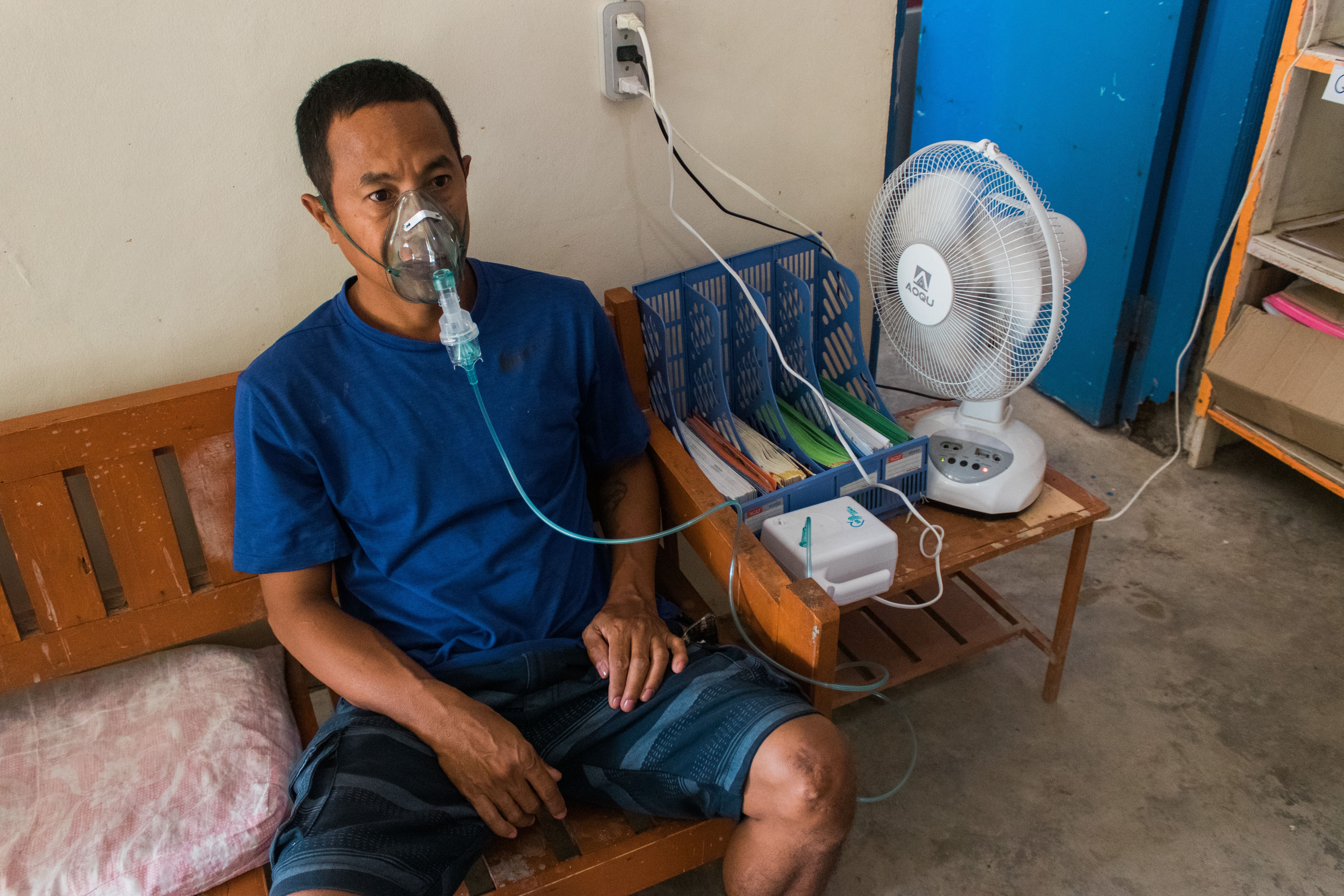
Janna’s eldest son is also a frequent visitor to the barangay health station. The toddler has asthma, and she brings him in for puffs using the health station’s nebulizer.
“Hindi na kami tatawid ng labing-isang ilog at bibiyahe ng higit isang oras para lang sa mga bakuna ni John Anthony at kapag inatake ng asthma ang anak kong si Arjohn. Malaking tulong na may center na dito sa amin na may nebulizer (We don’t have to cross 11 rivers and travel to town for more than an hour for John Anthony’s vaccines and for Arjohn’s nebulizer need because we have our rural health station here in the barangay),” Janna smiled.
Prior to electrification, health services that need electricity like nebulizers for patients with asthma and refrigerators for vaccine storage were only an impossible dream for the community consisting of more than 3,500 residents, including members of the Dumagat Remontado tribe.
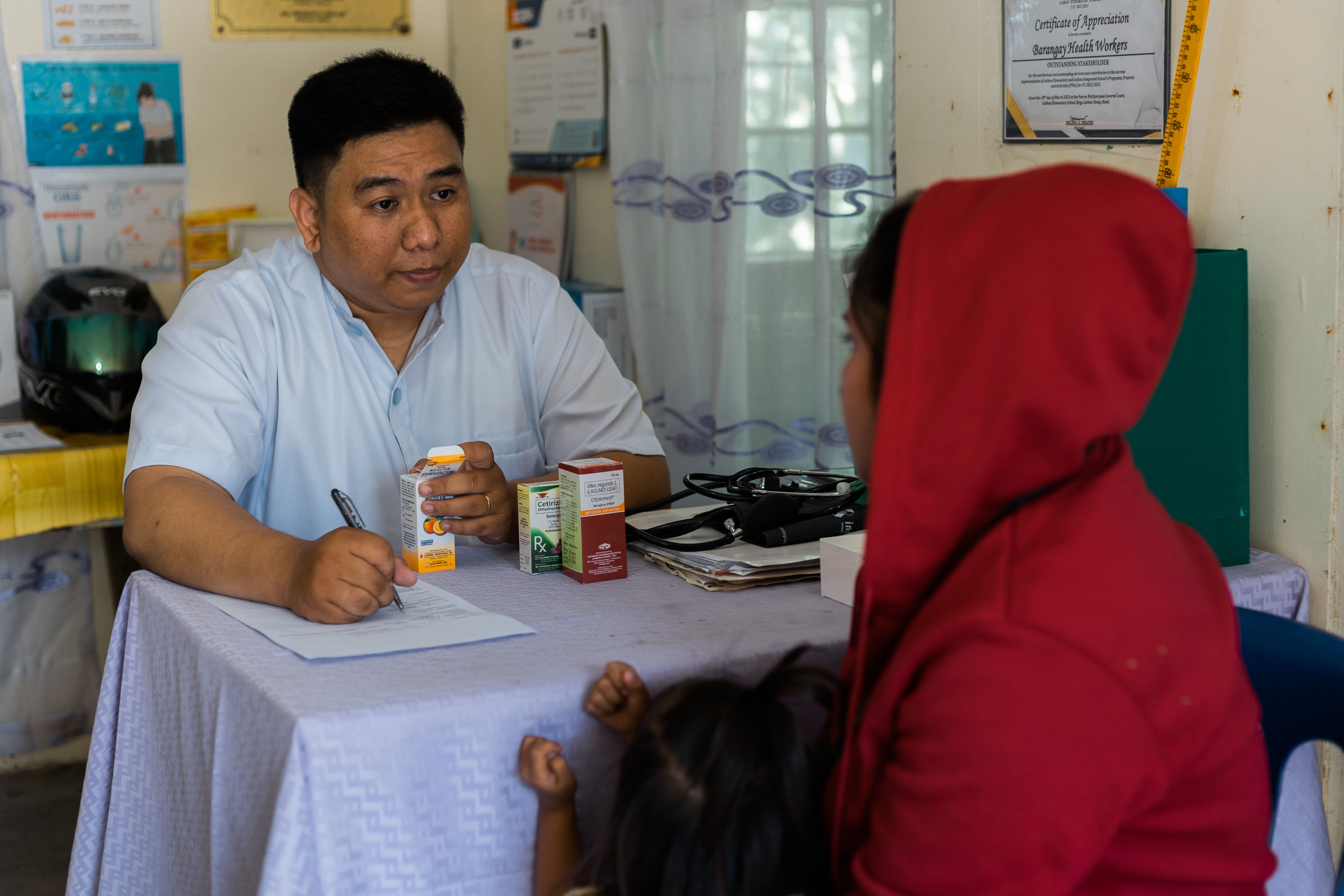
For almost two years, Nurse Zander Noche had to meticulously ferry vaccines three times a week to the health station because there was no cold storage available. A shift in temperature can spoil the vaccine and a wrong move atop his motorcycle can break the vials. Worse, he must cross rocky terrains and eight flowing rivers to reach the health station.
“Bago pa magkaroon ng solar power at refrigerator, nagsa-struggle na talaga kami. Sobrang hirap magdala ng vaccines dito kasi iko-consider mo ang kalidad ng bakuna. Nung wala pang kuryente, sobrang dilim din dito lalo ‘pag tag-ulan. In terms of ventilation, talagang mahirap hanggang sa minsan sumasakit na lang talaga mga mata namin (Before we had solar power and a refrigerator, we really struggled. You must be really careful when you travel with the vaccines you’re carrying. When we arrive at the health center, it’s dark during the day and even darker when it rains. Our eyes usually get very dry due to poor ventilation),” he said as he plugs in the electric fan to cool himself from the midday heat.
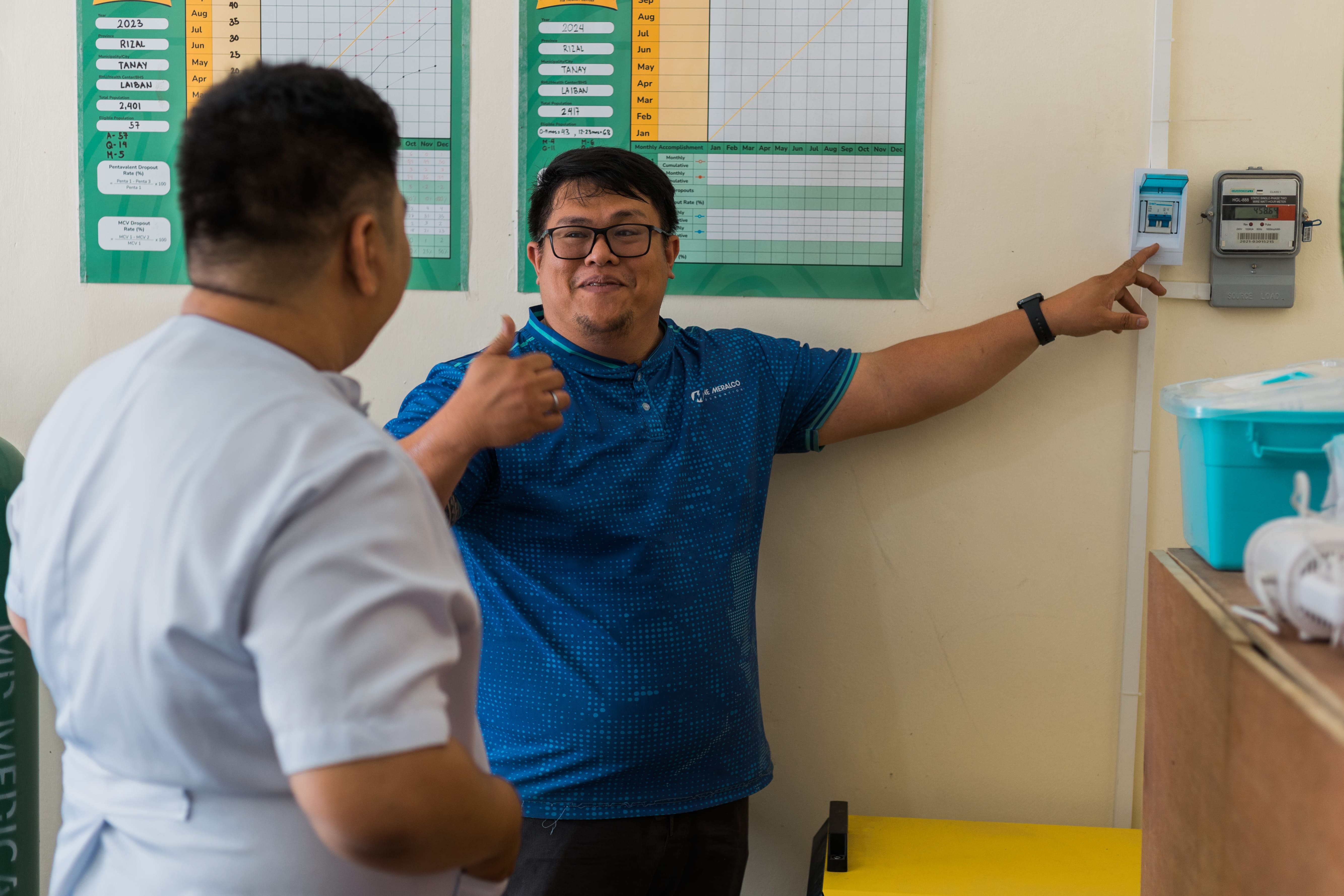
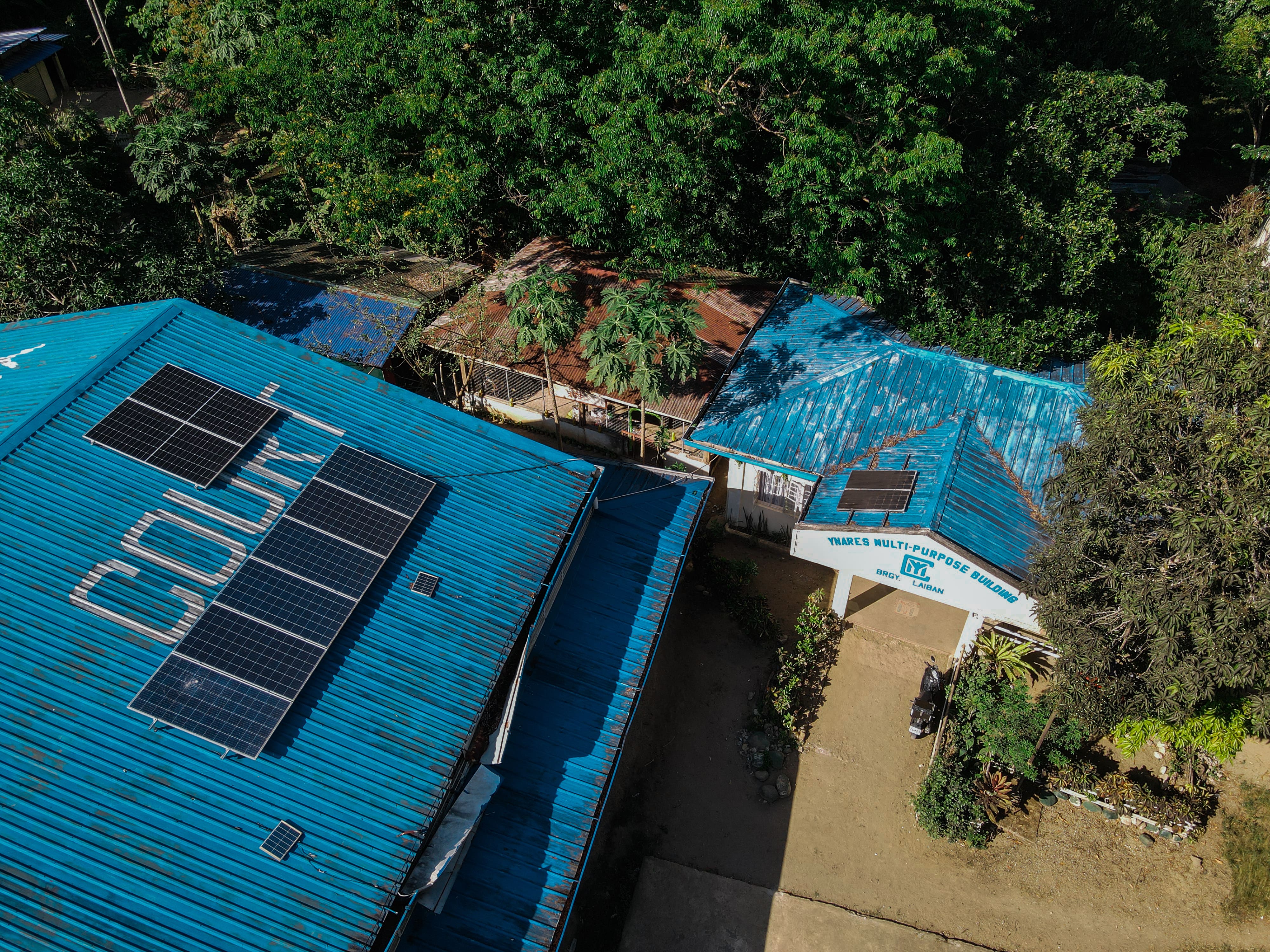
To help the community gain access to improved health services, a solar photovoltaic (PV) system was installed to light up and power the health station through OMF’s Rural Health Center Electrification program. The initiative was fully funded by donations of employees from Meralco’s Customer Retail Services (CRS) group.
A refrigerator was also donated for the exclusive use of the barangay health station, primarily for storage of vaccines and other medicines. This initiative allows them to offer basic health services that require operating medical equipment such as fetal dopplers for pregnant women, nebulizers, refrigeration for life-saving vaccines, sterilizers for medical tools and adequate lighting so health workers can perform essential surgeries or deliver babies. Having crucial health services available to residents empowers underserved communities and paves the way for self-reliance even in remote areas.
Now, Nurse Zander will no longer have to carry vaccines to work every day because the health station has refrigeration for vaccine storage. With stable electricity, he and the other barangay health workers use television to play video presentations on health-related concerns to promote awareness.
“May isinasagawa kaming programa kung saan sa pamamagitan ng mga short video presentations mas madaling maintindihan ng mga residente ang mga konseptong pangkalusugan na siya ring pinapaliwanag ng mga nurses tulad ng immunization. Dati kasi, walang ganito (We have a program where we play short video presentations so residents can understand better health solutions like immunization. Before, we can’t do this because of the lack of electricity,” he remarked.
Daisy Buaya, born and raised in Barangay Laiban, has been volunteering at the health station for three years now. When residents need help during late hours, the 27-year-old is among the first responders who have keys to the health station.
“Kaming mga barangay health workers ang kadalasang tinatawag ng mga tao dito kapag may emergency. Kung sino man sa amin ang unang tinawag, siya agad ang magre-respond. Malaking tulong ang kuryente sa amin kasi ngayon, kapag may emergency, hindi na kailangan pumunta pa sa bayan kasi may lunas na agad dito. Kahit may pasyenteng tumatawag sa hatinggabi, nabibigyan agad namin ng solusyon (Barangay health workers here are the first responders during emergencies. When one of us is called, we respond quickly. Having an energized health facility helps us a lot because even during wee hours, when patients need assistance, they don’t need to travel to the town because we’re equipped to handle their concerns here),” she shared.
While Nurse Zander still ponders if there are other work opportunities for himself outside of Barangay Laiban, the warmth of the community that he calls his second family pulls him in every time. And with the gift of solar energy, they are more productive and are able to serve the residents better.
“Nandito ang puso ko para pagsilbihan sila. Malaki ang maitutulong ng solar power at ibang kagamitan sa barangay health station, kasi ngayon, mas mapapagsilbihan pa namin ang mga residente dito (I desire to serve here. Because of electrification, we can serve better the residents here).”
For Janna, Nurse Zander, Health Worker Daisy and the rest of the residents of Barangay Laiban, the electrification of their health center is a symbol of assurance that relief is here, not hours away.
Aside from the Laiban Health Station, the Foundation also energized a community tribal health station in a remote mountain barangay in Kiamba, Sarangani which caters to more than 1,000 T’boli tribe members.